Architect of Sound: How Hans Zimmer Redefined Film Music
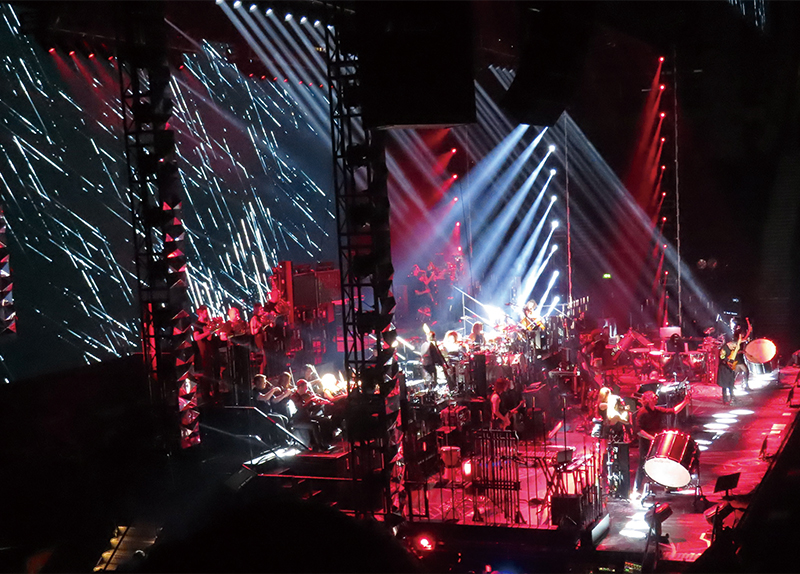
Modern music has moved far beyond the rigid forms of traditional orchestral composition. Genres such as jazz and hip-hop now occupy major parts of the music industry. Film, however, often demands a different approach: a seamless combination of orchestral arrangements and electronic sounds that complement and enhance a scene. Hans Zimmer became one of the composers who transformed film music by blending classical traditions with cutting-edge technology.
Born in Frankfurt, West Germany, in 1957, Zimmer developed an early interest in music but disliked the strict discipline of formal lessons. Instead, he preferred experimenting directly with instruments, even attaching unusual modifications such as chainsaws to his piano. This unconventional approach later became a defining feature of his film scores.
As a young musician, Zimmer played keyboards and synthesizers for new wave bands. While working in the music industry, he met distinguished film composer Stanley Myers. The two established Lillie Yard recording studio in London, where they experimented with combining electronic instruments and orchestral music. Their work helped Zimmer gain recognition and opened the door to his film-scoring career.
A major turning point came when director Barry Levinson asked Zimmer to compose the score for “Rain Man.” The film became a major success, winning four Academy Awards, and Zimmer’s work brought him greater attention in Hollywood.
In the 1990s, Zimmer took on increasingly ambitious projects. “The Lion King” was one such project where he displayed his talent. In it, he combined elements of African musical traditions with a Western-style orchestra, creating a distinctive sound that matched the film’s setting and story. The score earned him an Academy Award for Best Original Score and further established his reputation as an innovative composer.
Recognized for his extraordinary talent, Zimmer won numerous accolades and continues to surprise audiences with innovative musical experiments.
Hyundong Lee Staff Reporter teen/1787099203/1613367716
1. How did Zimmer transform traditional film music?
2. Who experimented with electronic music alongside Zimmer?
3. Which film transformed Zimmer’s Hollywood career?
4. How did Zimmer make “The Lion King” distinctive?
1. Should composers experiment beyond traditional orchestral music?
2. Can electronic music create powerful emotional experiences?
3. Is formal training necessary for innovative composers?
4. Should film scores combine different musical traditions?








































































 Modern music has moved far beyond the rigid forms of traditional orchestral composition. Genres such as jazz and hip-hop now occupy major parts of the music industry. Film, however, often demands a different approach: a seamless combination of orchestral arrangements and electronic sounds that complement and enhance a scene. Hans Zimmer became one of the composers who transformed film music by blending classical traditions with cutting-edge technology.




