As record-breaking heat waves push temperatures above 40 degrees Celsius, Gen Z is redefining summer survival with high-tech cooling devices and viral aesthetics. Staying comfortable no longer means sacrificing style. Young trendsetters are turning scorching days into social media moments with innovative heat-busting gear. Here are three viral trends dominating social feeds this hot season.
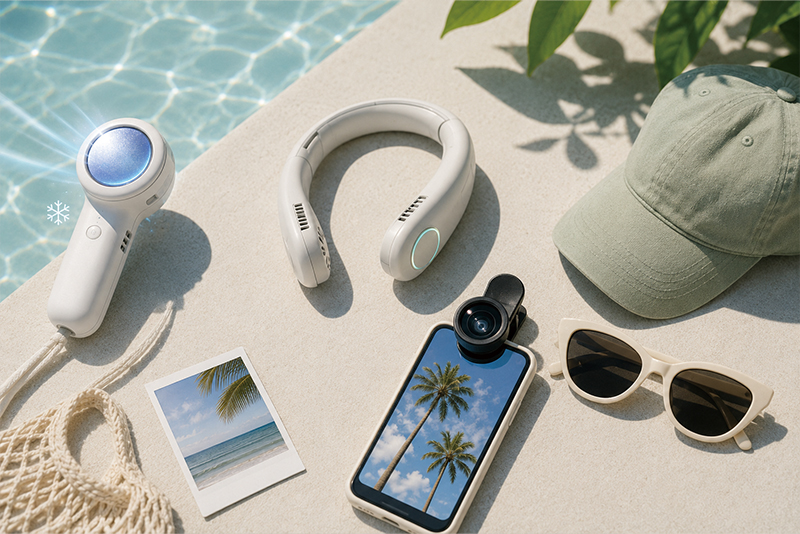
First, Peltier cooling devices are taking over TikTok and Instagram. Unlike traditional portable fans that simply blow warm air, these handheld gadgets use semiconductor Peltier plates. Placing the chilled metal surface against the skin creates an instant cooling sensation, making the devices popular for outdoor festivals and public transit.
Second, AI-powered temperature-control neck coolers combine fashion with modern technology. Equipped with smart sensors, these sleek wearables automatically adjust their cooling intensity based on real-time body heat and ambient weather. They help users stay cool without wasting battery life or requiring constant manual adjustments.
Finally, extreme-heat selfies have sparked a new social media trend. Young creators are taking high-angle “MZ shots” using smartphone clip-on accessories and thermal-style filter lenses. These photos showcase heatwave survival outfits, combining cooling gadgets with playful summer aesthetics.
From semiconductor technology to artificial intelligence, beating the summer heat is becoming a tech-driven fashion statement. For today’s youth, surviving 40-degree temperatures is about staying cool while looking good on camera. Embrace these clever essentials to remain cool, connected, and stylish all summer long.
Blair For The Junior Times junior/1788911961/1613367844
1. What do Peltier cooling devices use?
2. Where are Peltier devices especially popular?
3. How do smart neck coolers save battery?
4. What accessories create extreme-heat selfie effects?
1. Would you use high-tech cooling devices outside?
2. Which cooling trend seems most useful?
3. Can fashion make heat safety more appealing?
4. How should students stay safe during heatwaves?








































































 As record-breaking heat waves push temperatures above 40 degrees Celsius, Gen Z is redefining summer survival with high-tech cooling devices and viral aesthetics.




