Southern Europe Battles Its Largest Wildfires of the Summer
The summer of 2026 brought a major wildfire crisis to Southern Europe, forcing more than 267,000 people to evacuate in Spain and France. Extreme heat, dry vegetation, and shifting winds allowed fires to spread rapidly, prompting both countries to declare emergency measures. Spain announced its first national wildfire emergency, while France carried out a peacetime evacuation. The disaster stretched emergency services on both sides of the border and highlighted the growing wildfire threat across the region.
In Spain, the situation worsened on July 24 as several large fires threatened communities near Madrid. The government declared a nationwide emergency and placed the interior minister in charge of coordinating the response. Spain’s Military Emergency Unit joined firefighters battling the blazes. By the end of July, the European Union’s Copernicus program estimated that about 120,000 hectares had burned across the country. Officials confirmed 14 deaths, while at least 10 people remained missing. More than 10,000 residents in the provinces of Avila and Madrid were ordered to evacuate as flames approached. Authorities warned that dry weather and shifting winds could continue to fuel the fires.
France experienced its worst damage in the Gironde region near Bordeaux. Authorities evacuated about 197,000 people, making it one of the country’s largest peacetime evacuations. Interior Minister Laurent Nunez said nearly 98,000 hectares had burned across France, marking a historic level of destruction. The crisis also disrupted national events. Organizers shortened the final stage of the Tour de France so security personnel could assist with the emergency response. On the Cap Ferret peninsula, rescue boats evacuated residents after fire threatened the only escape route. France has requested assistance from the European Union and deployed military personnel to support firefighters.
Scientists said climate change increased the likelihood of such extreme fires. Researchers from the World Weather Attribution group explained that while heavy spring rainfall encouraged plant growth, record-breaking summer heat dried out vegetation, creating ample fuel for fast-moving wildfires. They warned that similar conditions could become more common as global temperatures continue to rise.
Firefighters across the Mediterranean remain on high alert as unstable weather persists. The crisis showed how extreme heat can quickly turn local wildfires into a regional emergency with widespread human, environmental, and economic consequences. Sean Jung R&D Division Director
Sean Jung R&D Division Director teen/1787099203/1613367592
1. How many people evacuated during the wildfire crisis?
2. What emergency measures did Spain take nationwide?
3. How did wildfires disrupt the Tour de France?
4. What conditions increased the risk of wildfires?
1. Should governments spend more money preventing wildfires?
2. Can countries fight major wildfires without international cooperation?
3. Should major events change during national emergencies?
4. How should governments prepare for increasing wildfire risks?








































































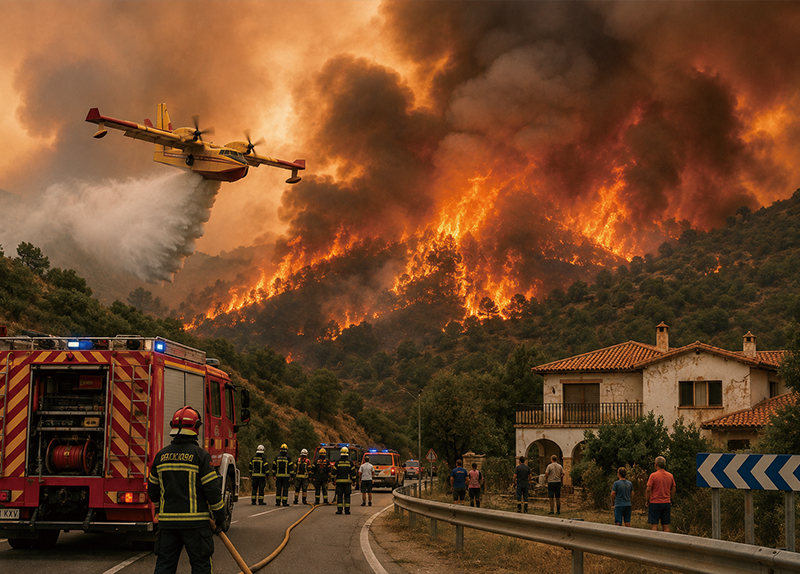 The summer of 2026 brought a major wildfire crisis to Southern Europe, forcing more than 267,000 people to evacuate in Spain and France.
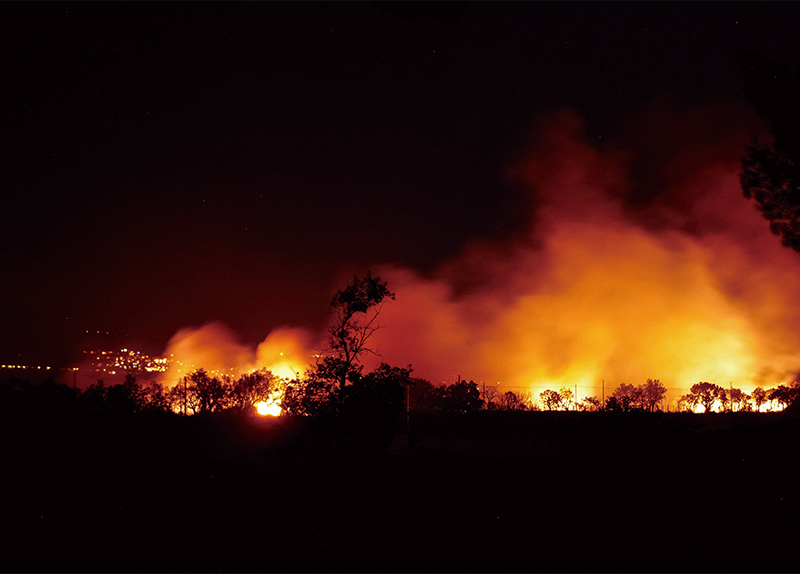 France experienced its worst damage in the Gironde region near Bordeaux. Authorities evacuated about 197,000 people, making it one of the country’s largest peacetime evacuations. Interior Minister Laurent Nunez said nearly 98,000 hectares had burned across France, marking a historic level of destruction. The crisis also disrupted national events. Organizers shortened the final stage of the Tour de France so security personnel could assist with the emergency response. On the Cap Ferret peninsula, rescue boats evacuated residents after fire threatened the only escape route. France has requested assistance from the European Union and deployed military personnel to support firefighters.




