Chalk-Covered Windows: France’s Low-Cost Trick Against Extreme Heat
Blanc de Meudon, also known as Meudon whiting, is a crushed chalk product traditionally used to make paint, clean surfaces, and cover shop windows during renovations. Now, many people are mixing it with water and brushing it onto windows at homes and schools.
The chalk leaves a thin, milky layer on glass that allows some light to enter while reflecting heat. The idea is based on the same principle behind white roofs and walls, which stay cooler because light-colored surfaces reflect more sunlight than dark surfaces. Composed of calcium carbonate, Blanc de Meudon absorbs virtually no ultraviolet light and scatters sunlight, effectively rejecting heat.
With temperatures in France rising above 40 degrees Celsius, demand for the product has surged after social media users promoted it as a cheap way to cool indoor spaces. Some stores have reported shortages as residents and schools try the method.
The chalk technique is inexpensive, temporary, and does not require electricity, making it appealing during heat waves. Unlike air conditioning, it does not increase power use or release additional heat outside. However, officials warn that it is not a complete solution and cannot replace proper insulation. People should also avoid inhaling fine chalk dust.
The growing popularity of white-painted windows shows how communities are searching for practical ways to adapt to hotter summers. Sometimes a response to climate change begins not with advanced technology, but with simple tools already available.
May For The Teen Times teen/1785115405/1613367697
1. Why are French residents applying Blanc de Meudon onto windows?
2. How does calcium carbonate effectively reduce indoor thermal radiation heat?
3. What key advantages does chalk application offer over traditional air conditioning?
4. What health and structural warnings did officials issue regarding chalk?
1. Are low-tech environmental adaptation methods preferable to advanced cooling systems?
2. Should city councils encourage widespread non-electric cooling solutions for homes?
3. Can viral social media trends drive meaningful community climate action?
4. Is individual climate action sufficient without broader structural municipal reforms?








































































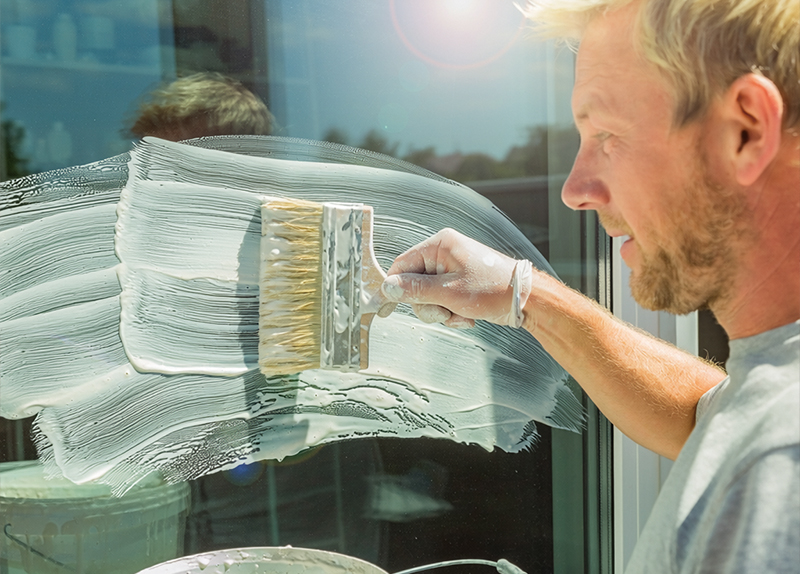 Blanc de Meudon, also known as Meudon whiting, is a crushed chalk product traditionally used to make paint, clean surfaces, and cover shop windows during renovations. Now, many people are mixing it with water and brushing it onto windows at homes and schools.
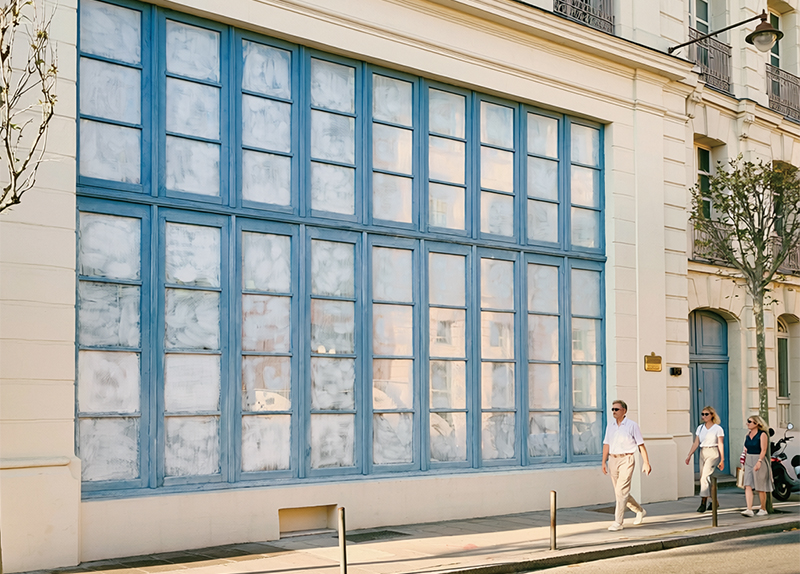 With temperatures in France rising above 40 degrees Celsius, demand for the product has surged after social media users promoted it as a cheap way to cool indoor spaces. Some stores have reported shortages as residents and schools try the method.




