A humpback whale named Timmy is finally heading home after being stuck in shallow water for over a month. Timmy was in great danger because he was trapped in water only 30 centimeters deep. His massive 15-ton body was much too big for such a shallow place. Rescuers worked very hard to move the giant whale onto a special boat filled with seawater. Now, Timmy is traveling toward the deep North Sea, where he can safely swim and play in the waves again.
J.K. Park Senior Reporter kids/1779330609/1613368179
1. What is the humpback whale's name?
2. Where was the giant whale stuck?
3. Is Timmy traveling to North Sea?
1. Do you like whales and dolphins?
2. Have you ever seen a whale?
3. Should we help animals in danger?








































































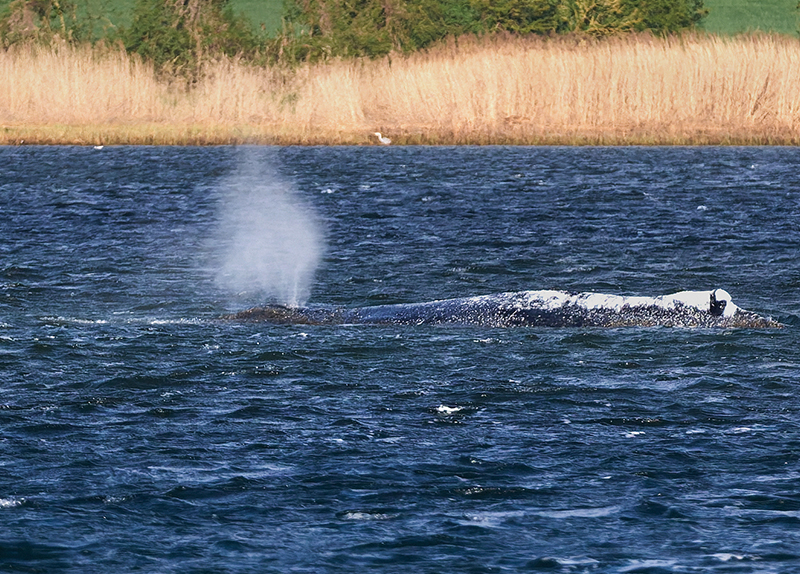 A humpback whale named Timmy is finally heading home after being stuck in shallow water for over a month. Timmy was in great danger because he was trapped in water only 30 centimeters deep. His massive 15-ton body was much too big for such a shallow place. Rescuers worked very hard to move the giant whale onto a special boat filled with seawater. Now, Timmy is traveling toward the deep North Sea, where he can safely swim and play in the waves again.




