Since its invention in the 19th century, photography has been essential in documenting and sharing significant stories, impacting our understanding of history. Through the camera lens, captured moments reveal insights that traditional written accounts often overlook.
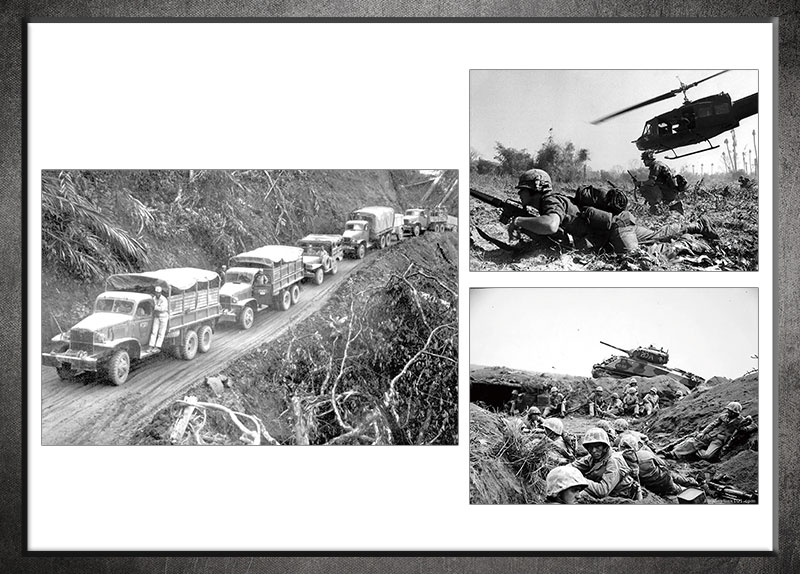
One of photography’s key roles is serving as direct historical evidence. Unlike written records, which the author’s biases may influence, photographs provide objective visual representations of events. For example, photos taken during World War I and II powerfully depict the harsh realities of war. Similarly, images of the Civil Rights Movement expose the brutal experiences faced by marginalized communities, challenging established narratives and deepening our understanding of these critical moments.
Moreover, photography is crucial in shaping how the public perceives history. Iconic images often become symbols that represent broader themes. The photograph of the American flag being raised at Iwo Jima during WWII, for instance, has come to symbolize victory and patriotism, and the “Tank Man” image from the Tiananmen Square protests defiance. Such visuals can significantly influence public opinion, as shown by how the photograph of a Vietnamese girl fleeing a napalm attack changed perspectives on the Vietnam War.
Additionally, photography highlights stories often overlooked, especially those of women. By preserving images that capture women’s experiences, photography challenges traditional historical narratives, allowing the world to hear their voices more clearly. Advances in camera technology have also made it easier for individuals to document significant events as they happen.
Ultimately, photography serves as a means to document numerous stories while helping us perceive the past. It continuously shapes our understanding of the shared human journey, with every image telling a part of our collective history.
Sean Jung R&D Division Director teen/1728003899/1613367716
1. In what ways do photographs serve as objective historical evidence compared to written records?
2. Provide examples from the passage of iconic photographs that have shaped public perceptions of historical events.
3. How does photography contribute to highlighting stories that are often overlooked, particularly regarding women's experiences?
4. What role does advances in camera technology play in the documentation of significant events?
1. Discuss the ethical considerations involved in the use of photography as historical evidence. How can biases still affect the interpretation of images?
2. How do iconic photographs shape collective memory, and in what ways might they distort or simplify complex historical events?
3. What is the role of social media in the dissemination of photographs today, and how does it compare to traditional photography in documenting history?
4. In what ways can photography empower marginalized voices in historical narratives?








































































 Since its invention in the 19th century, photography has been essential in documenting and sharing significant stories, impacting our understanding of history. Through the camera lens, captured moments reveal insights that traditional written accounts often overlook.




